- Unlock My Puzzle
- Posts
- Dirty Drinks: Microplastic Alert
Dirty Drinks: Microplastic Alert
Debunking the 'Busted Out' Trend, Sickleave Return - Stay Employable

The Patient Advocate
August 28, 2025

In the News: The White House says on Wednesday it fired the director of the U.S. Centers for Disease Control and Prevention (CDC), Dr. Susan Monarez, after she refused to resign.
|
IN THE NEWS:
Exodus At The CDC As Director Ousted
In a statement, Dr. Susan Monarez said she was "not aligned with the president's agenda" and she had been removed from her position as director of the health agency. The U.S. health department earlier announced her departure, which prompted a statement from Dr. Monarez's lawyers who said she had not been told of her removal and she would not resign.
Her lawyers said she was being targeted for refusing "to rubber-stamp unscientific, reckless directives and fire dedicated health experts" and accused Health Secretary Robert F. Kennedy Jr. of "weaponizing public health". Almost immediately after Dr Monarez's departure was first announced by the health department, at least four senior CDC leaders resigned from the agency.

INFECTIOUS DISEASES:
New Lyme Disease Blood Test Has 90% Accuracy
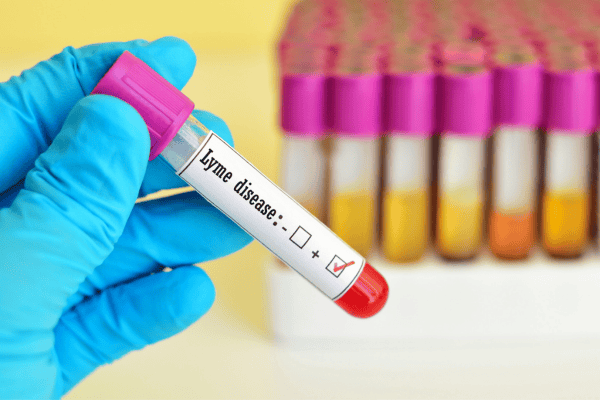
A new blood test called LymeSeek could change the game for diagnosing Lyme disease. Unlike current tests, which often miss early infections, LymeSeek uses AI and checks for 10 different immune responses, reaching over 90% accuracy at every stage of the illness.
In fact, it caught Lyme in 100% of very early cases, compared to only 37% with today’s standard methods. Now heading to FDA trials, this test could make getting a clear, early diagnosis much easier for patients and doctors alike.
HEALTHY AGING:
Study: Education Levels Influence Aging

A new study by the University of South Carolina’s (USC) Leonard Davis School of Gerontology found that Americans with less education are aging faster biologically compared to those with college degrees.
Biological age measures the body's health and functioning, not just the number of years lived, and the research showed that people with more education experience slower aging.
From 1988–1994 to 2015–2018, the gap in biological aging between those with less than a high school diploma and those with a college degree nearly doubled from one to two years. This growing gap is not explained by smoking, obesity, or medication use but is strongly linked to education itself.
The study highlights education as a key social factor influencing health and warns that those with less education may face more years of poor health. The researchers emphasize addressing education disparities as an important public health investment to reduce health inequalities as people age.
Read the full study: here.
ENVIRONMENTAL HEALTH:
Why Microplastics Matter To Your Health

Plastic is everywhere - in homes, clothes, and the environment - and when it breaks down into tiny pieces called microplastics, these particles can enter the human body through air, food and personal care products. Studies show microplastics end up in blood, organs and even urine, posing potential health risks because many plastics contain toxic chemicals.
Early research links microplastic exposure to conditions like diabetes, high blood pressure, stroke and reproductive problems, including male infertility. According to experts at Weill Cornell Medicine, reducing the use of plastic in daily life, such as choosing glass or stainless steel containers over plastic ones, can help lower exposure.
While it’s nearly impossible to avoid microplastics entirely, these steps also reduce plastic waste and its environmental impact. Weill Cornell Medicine researchers emphasize action to better understand and address this global public health issue to protect both people and the planet.
Read more from Weill Cornell Medicine: here.
ENVIRONMENTAL HEALTH:
Drinks With The Highest Microplastics Levels
A staggering amount of microplastics, up to 81 particles per litre, has been found in hot tea, making it one of the most contaminated drinks on the market. Researchers from the University of Birmingham in the UK conducted a groundbreaking study analyzing 155 popular hot and cold beverages and discovered synthetic microplastics in every single sample.
Hot tea and hot coffee emerged as the worst offenders, with hot tea averaging 60 microplastic particles per litre and hot coffee about 43, far exceeding levels found in bottled or tap water. The study revealed that the heat from these drinks, combined with packaging materials like disposable cups and teabags, significantly increases microplastic contamination.
Even iced drinks, juices, energy drinks and soft drinks contained microplastics, but at lower concentrations. Professor Mohamed Abdallah, a lead researcher, warned that focusing only on water underestimates the daily exposure humans have to these harmful particles through common beverages consumed worldwide.
With millions of hot drinks consumed every day, the findings underscore a need for governmental and international action to reduce this invisible yet pervasive threat to human health. This research moves the conversation beyond water pollution to a more comprehensive understanding of microplastic exposure through daily diet.
Read the full study: here.
WELLBEING:
Here’s How To Get Hired After A Health Break

Returning to work after sick leave, or after caring for a loved one through illness, can feel overwhelming, especially if you’ve been out of the workforce for months or even years.
Whether you left a job while sick, lost one during recovery, or simply pressed pause on your career, stepping back into today’s competitive job market isn’t easy. The good news? With the right tools, free resources, and smart strategies, you can rebuild confidence and land opportunities that fit your renewed path forward.
This Medium article contains actionable tips, links to job centers, free training programs and free coaching support to help you stand out. Plus, you can download a free ATS‑friendly resume template designed to get found in applicant tracking systems and seen by real recruiters.
Read the full article: here.
WELLBEING:
Unpacking The Viral “Busted Out” Videos For Patients

If you’ve been on TikTok and other social media over the last couple of weeks, you’ve probably seen the explosion in ‘busted out’ videos going viral. These trending clips feature med students to anyone else doing their interpretation of how this audio conversation with an alleged injured person took place. The reason why it’s viral? The injury sounds sensational.
The reality is all sorts of accidents, injuries and illnesses happen every day. Unfortunately, hospital room curtain dividers aren’t the same as walls. Being assigned a shared room might come as a shock when you ‘accidentally’ start overhearing your roommate’s intimate conversations through the privacy curtains.
Things you can do to cope with this uncomfortable situation:
Fully close the curtain during exams, treatments, phone calls, and private conversations.
Use sound-dampening devices. Hospitals may provide disposable ear plugs. Bringing your own headset from home can also help mask voices and limit overhearing.
Wear headphones to listen to music, podcasts, or a meditation app when caregivers are speaking to a roommate.
Occupy yourself with reading, puzzles, or closed-eyed relaxation during a roommate’s private conversations to avoid active listening.
The Patient Advocate has put a patient-focused spin on this viral trend to explain that things are overheard in the hospital. Hospitals are full of injured and sick people. But there are things you can do to reduce any distress overhearing might cause you.
Here’s What a 1-Day Gutter Guards Upgrade Should Cost You In 2025

Forget about climbing ladders or clearing wet leaves out of your gutters. Keep your home safe and boost its value with a simple, long-lasting solution. More than 410,000 homeowners already made the switch — and love the results.
Find out how it works and see local, no-middleman pricing today.